
What Is Ventilation? Understanding Your Attic’s Most Overlooked System
At Helio GreenTech, our teams service roofs across the entire Kansas City metropolitan area, and we consistently find that the long-term health of a roofing system depends entirely on a component that most homeowners rarely consider: attic ventilation.
Many property owners are unaware that the ventilation dynamics within their attic play a critical role in maintaining a healthy, energy-efficient home environment. When airflow is restricted, thermal energy and moisture become trapped in the attic, leading to higher cooling costs during the summer, premature aging of roofing materials, and potential structural damage from mold or compromised insulation.
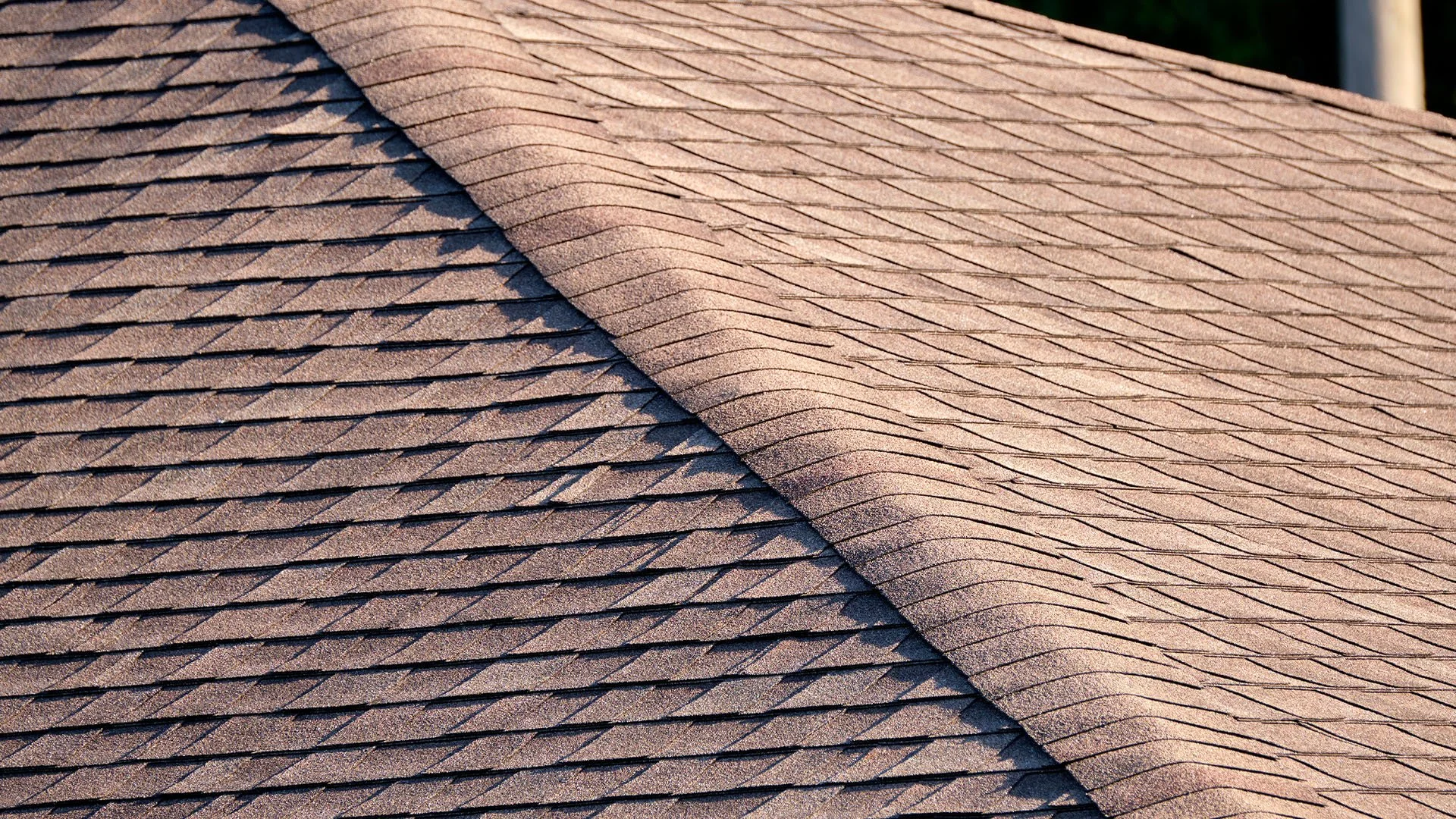
The Mechanics of Airflow
A correctly ventilated attic functions as a balanced system of continuous air exchange. This consistent movement of air balances internal temperatures and regulates humidity levels, which is essential for preserving the structural integrity of your home and optimizing the efficiency of your HVAC equipment.
Achieving this balance requires the synchronized operation of two primary components:
Intake Vents: Typically installed along the eaves or soffits, these vents are engineered to introduce cooler, fresh air from the exterior into the lower attic space. This influx of ambient air is necessary to displace the warm, stagnant air and drive it upward toward the exhaust points.
Exhaust Vents: Located at or near the highest point of the roof, these vents provide a designated exit path for hot, moisture-laden air. By allowing rising heat to escape naturally, they prevent the accumulation of thermal energy that can otherwise degrade shingles from the underside.
When intake and exhaust capacities are perfectly matched, air circulates naturally through the attic space. This process safeguards the home's framing and decking from the damaging effects of excessive heat retention and moisture saturation.
The Top 3 Ventilation Solutions
There is no universal solution for roof ventilation; the optimal system depends on the roof's architectural design, the total attic volume, and local climate factors, particularly Kansas City's combination of high humidity and intense summer heat. We exclusively prioritize passive systems that operate without electricity and require minimal ongoing maintenance.
#1 Ventilation Solution: Ridge Vents
Ridge vents are widely considered the industry standard for modern attic ventilation, delivering continuous performance with a streamlined, low-profile appearance.
Operational Mechanism: Installed along the horizontal peak of the roof, these vents facilitate continuous, uniform exhaust along the entire length of the attic. By occupying the highest possible point on the structure, they maximize the natural stack effect, where warm air rises and escapes efficiently.
Advantages: These systems feature no moving mechanical parts, offer a clean aesthetic that blends with the shingle line, and provide the most consistent air exchange across the roof deck. This reliability makes them the preferred choice for homeowners seeking longevity and visual appeal.
Constraints: Properties with insufficient ridge length, complex hip roof designs, or low-pitch angles may not support adequate ridge venting to meet building codes or performance standards. In such scenarios, the volume of air requiring exhaust exceeds the capacity of the available ridge length.
Best Application: Simple gable or hip roofs that feature long, uninterrupted ridgelines. These architectural styles provide the necessary linear footage to install sufficient venting to manage the attic's total air volume.
Critical Factors: Proper installation requires open soffits to function; without a clear intake path at the eaves, even a high-quality ridge vent will fail to circulate air. Furthermore, the installation must ensure the roof decking is cut correctly to allow airflow without compromising structural integrity.
#2 Ventilation Solution: Box Vents (Static Roof Louvers)
Box vents serve as a robust and versatile alternative when continuous ridge venting is either impractical or insufficient for the specific attic configuration.
Operational Mechanism: These are individual, weather-shielded vents installed near the roof's peak to create dedicated exit points for rising heat. They function by allowing hot air to escape through convection in specific zones where airflow might otherwise become stagnant.
Strategic Use: We utilize box vents as a reliable fallback solution when ridge vents cannot be implemented or to supplement airflow in complex roof sections. They are particularly useful for venting isolated attic spaces or additions that are structurally separated from the main roof assembly.
Design Considerations: Because they rely entirely on natural buoyancy for air movement, calculating the correct quantity and placement is essential. Installing too few vents will result in "hot pockets" where heat accumulates between the vents rather than escaping.
Best Application: Complex roof structures with multiple valleys, dormers, or partitioned attic spaces. They grant installers the flexibility to target specific high-heat areas that a linear ridge vent might not effectively reach.
Critical Factors: Inadequate quantity is a frequent issue we encounter in the local market. Many builders install only the minimum number required by basic code compliance, which often falls short of what is necessary for optimal real-world performance during peak summer months.
#3 Ventilation Solution: Whirlybirds (Turbine Vents)
Whirlybirds represent the only mechanical ventilation option we endorse, primarily because they harness wind energy rather than electrical power.
Operational Mechanism: These vents utilize internal fins that rotate with the wind, creating a vacuum effect that actively extracts hot air from the attic. This dynamic action pulls heat out of the space significantly faster than static vents can achieve through passive convection alone.
Why We Endorse Them: They remain the only recommended system with moving parts because they are simple, mechanical, and wind-driven. When natural convection is insufficient, turbines offer a powerful, cost-free boost to the ventilation rate without adding to the home's energy load.
Limitations: Adding turbines to a roof that already utilizes ridge vents can disrupt the pressure balance, potentially causing the system to intake air from the ridge vent rather than the soffits. This "short-circuiting" of the airflow reduces the overall cooling efficiency of the system.
Best Application: Residences where ridge or box vents cannot generate sufficient passive airflow to meet demand. They are exceptionally effective in regions with consistent wind patterns, providing the extra exhaust capacity needed to combat intense heat accumulation.
Critical Factors: Avoid lower-grade aluminum models prone to seizing or leaking. We exclusively recommend high-quality, sealed-bearing units, such as those from Lomanco, which are engineered to operate silently and withstand severe weather conditions for years.
Why We Only Trust Passive Systems
As a company deeply integrated into the solar industry, our stance against powered ventilation often surprises clients. However, we advise against electric and solar-powered attic fans because they frequently introduce more complications than solutions.
Depressurization Risks: Powered fans can be powerful enough to create negative pressure in the attic, inadvertently pulling conditioned air from the living space through light fixtures and attic hatches. This results in the homeowner paying to cool the attic with air meant for the living room.
Intermittent Reliability: Solar units depend entirely on direct sunlight, meaning they often shut down during cloudy days or evening hours when heat retention is still a major issue. A robust ventilation system must function continuously to prevent moisture buildup and heat saturation.
Maintenance Liabilities: Mechanical fans introduce failure points such as motors, thermostats, and wiring that will eventually degrade. A passive system is designed to function indefinitely, whereas a powered unit guarantees a future service call for repair or replacement.
At Helio GreenTech, our philosophy centers on passive systems engineered for decades of service with zero maintenance requirements. Turbine vents are the sole exception, as they provide mechanical advantage through reliable wind power rather than complex electronics.
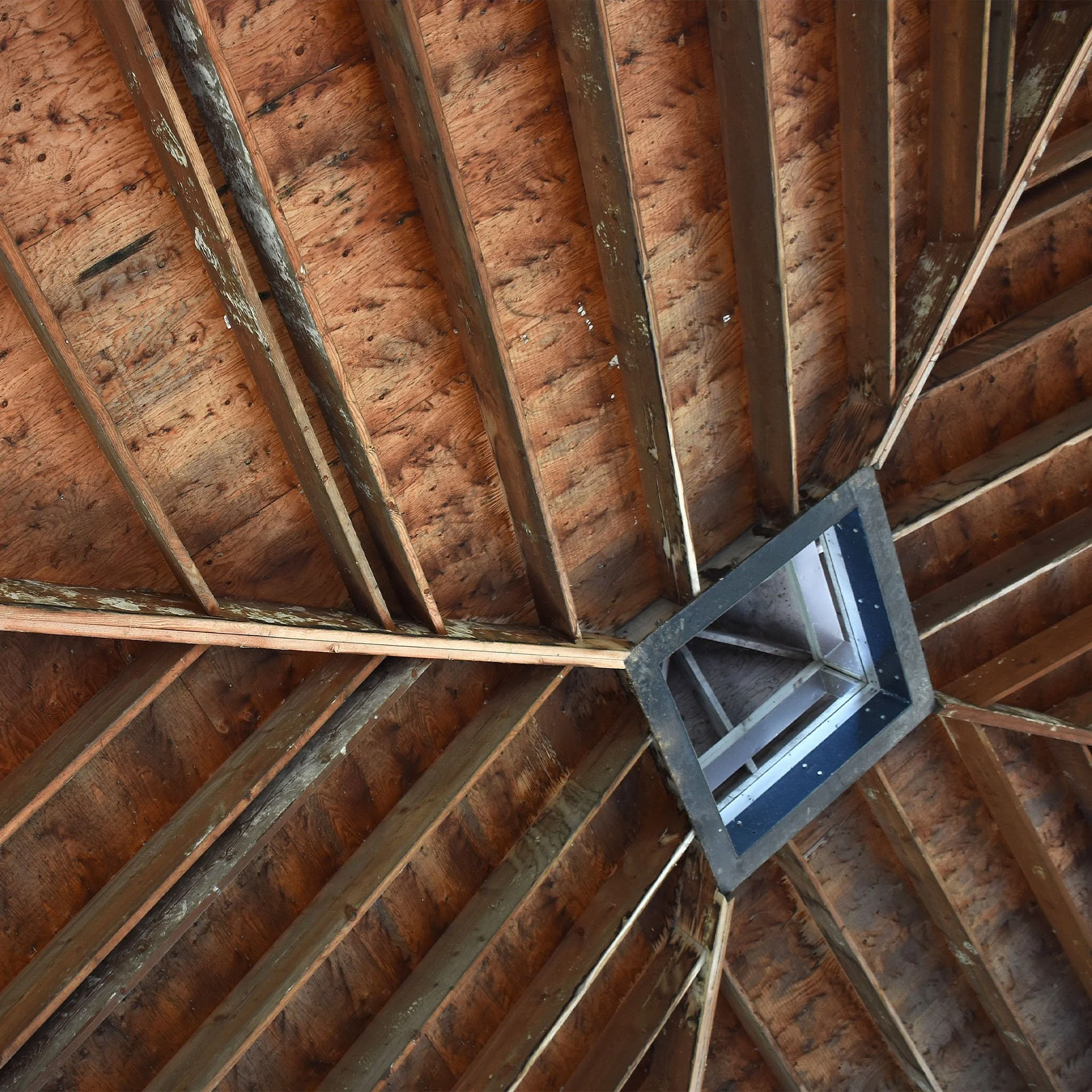
Common Ventilation Issues in Kansas City
Homes in the Kansas City region often have poorly balanced ventilation systems, posing significant risks to the roofing structure. Our assessments regularly uncover the following critical deficiencies:
Inadequate Intake: Older properties often lack sufficient soffit intake vents, essentially starving the exhaust system of the air required to function. Without a steady supply of cool air entering at the bottom, the exhaust vents cannot effectively displace the hot air at the top.
System Imbalance: Many newer installations rely exclusively on ridge vents but fail to provide matching intake capacity. If the exhaust capacity exceeds the intake, the airflow stalls, and thermal energy remains trapped against the roof deck.
Conflicting Vent Types: We frequently observe roofs with a mix of ventilation styles, such as ridge vents combined with turbines. Mixing vent types is a fundamental error that disrupts the airflow column, often causing one exhaust vent to pull air in from another exhaust vent rather than from the designated intake points.
A professional attic inspection is the only way to diagnose these issues accurately. This step is particularly critical before solar installation, as excessive attic heat can accelerate the degradation of roofing materials and negatively impact solar panel efficiency.
Helio GreenTech’s Prioritization Protocol
When evaluating a property for a new roof or solar integration, we prioritize the structural and thermal health of the home. Our hierarchy for ventilation design is established to ensure maximum longevity:
Ridge Vents: The primary choice for establishing continuous, balanced, and passive airflow. They offer superior temperature regulation across the entire roof deck, which helps extend the lifespan of asphalt shingles.
Box Vents: Utilized when architectural constraints prevent the effective use of ridge vents. These allow us to guarantee that every section of the attic receives adequate exhaust, even on roofs with irregular designs.
Whirlybirds: Deployed specifically when wind-assisted airflow is required to supplement static systems and achieve performance standards. These are excellent problem-solvers for older homes or attics with unique airflow challenges.
We deliberately avoid powered fans, choosing instead to design low-maintenance, passive systems that work in harmony with the roof, insulation, and solar array. This approach ensures both maximum energy efficiency and long-term protection of the roofing investment.
Proper attic ventilation is not merely a matter of comfort, it is a critical factor in protecting your home, preserving your roof, and maximizing the performance of your solar investment. Whether you are planning for a roof replacement, solar integration, or insulation upgrades, installing a balanced ventilation system represents one of the most cost-effective investments you can make in the longevity of your property.
One Call Fixes it All
From storm repairs to complete roof replacements, Helio GreenTech stands as Kansas City’s premier team, fully certified in professional roofing services and solar energy. We promise unparalleled service with rapid responses, exceptional crews, and an unwavering dedication to treating your home or business like your family. You can always choose Helio GreenTech for your solar and roofing needs with total confidence.
